Vitamins for Children
Children’s vitamins are dietary supplements containing vitamins and minerals, formulated specifically for children. Children’s vitamins can supplement a child’s diet if they are not getting enough of certain nutrients from their food. It is advisable to consult a pediatrician before starting to take them.

-17%


Popular

Sold Out

Sold Out

Sold Out

Sold Out

Sold Out

Sold Out

Sold Out

Sold Out

Sold Out

Sold Out

Sold Out

Sold Out

What are vitamins for kids?
Vitamins for kids come in doses designed for children and in easier-to-take formats: chewable gummies, tablets or drops. The manufacturer states the minimum age on the label.
What the nutrients in kids' formulas do:
- Immune system. Vitamins C and D and zinc contribute to the normal function of the immune system.
- Bones and teeth. Calcium and vitamin D are needed for normal growth and development of bone in children.
- Cognitive function. Iodine contributes to normal cognitive function, and B vitamins contribute to the normal function of the nervous system.
If a child's diet is varied, extra vitamins may not be needed. It is worth discussing with a pediatrician whether they make sense.
What types of vitamins for kids are there?
This section includes multivitamins as well as single vitamins and minerals for children.
- Kids' multivitamins. Combine several vitamins and minerals in one supplement to complement the daily diet.
- Vitamin D3. For the youngest children it often comes as drops.
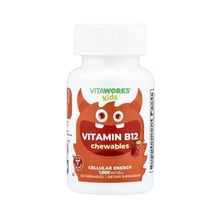
- Vitamin B12. Found in many multivitamins, but also available as standalone kids' supplements, for example in chewable tablets.
- Omega-3. EPA and DHA fatty acids, which multivitamins usually don't contain.
- Immune support complexes. Kids' formulas with vitamins and minerals that contribute to normal immune function.
- Zinc and calcium. Single minerals for children in convenient formats, including chewable tablets.
What formats do kids' vitamins come in?
- Chewable gummies. The most popular format with kids: fruit-flavored shapes. They often contain sugar, so it makes sense to count them as sweets in a child's diet.
- Chewable tablets. Denser than gummies and often hold a wider range of minerals that are hard to fit into a gummy.
- Drops. The usual format for vitamin D3 for the youngest children.
What can kids' vitamins be combined with?
- Omega-3 for kids. Multivitamins usually lack EPA and DHA, so they are chosen separately.
- Probiotics. A separate supplement category; whether it suits your child is worth discussing with a pediatrician.
When combining supplements, check the labels: if vitamin D or zinc is already in the multivitamin, taking it separately can lead to an excess.
How to choose vitamins for your child
A few things to look at:
- Age. The label states the age from which the supplement can be taken.
- Ingredients. If your child already takes a single vitamin, check that it isn't also in the multivitamin to avoid an excess.
- Format. Choose a format your child is comfortable taking every day.
- Doctor's advice. Talk to a pediatrician before starting, especially if your child takes any medication.
How to take vitamins for kids
- Dose and duration. Follow the label and your pediatrician's advice, and don't exceed the daily serving.
- With food. Many manufacturers recommend giving vitamins with or after a meal. See the label for exact directions.
- Storage. Keep the bottle, especially gummies, out of children's reach. Kids see them as candy and may eat too many.
Vitamins for teens
Diet and nutrient needs change in the teenage years, while kids' formulas are designed for younger children. That is why separate formulas exist for teens.
F3 carries Nature's Plus Power Teen, including separate formulas for girls (HERS) and boys (HIS), in chewable and regular tablets. As with younger children, check with a doctor before starting.
Kids' vitamins at F3
F3 offers multivitamins and single vitamins for children and teens. Brands in the catalog include Nature's Way, Nature's Plus, NOW Foods, Powerful Progress, Solaray, California Gold, KAL and others.